

Doctor's Procedures
Every procedure here is assessed and performed by the physician. Nose, eyes, ears, lips, face and neck. Every case begins with a consultation, and the plan is agreed before anything is scheduled.
Choose an area on the faceSelect a marker to see the procedures for that area.
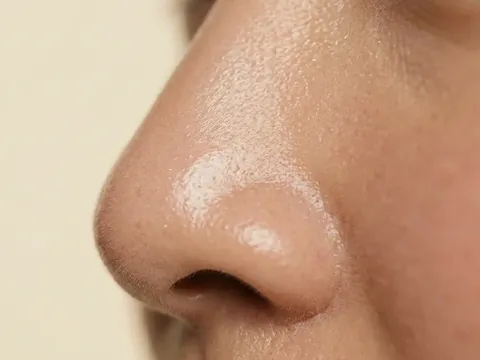
Nose
- SEE A CASE →
Structural Gore-Tex rhinoplastyReshaping the nose with structural supportDETAILS
A rhinoplasty that reshapes the bridge and tip while reinforcing the nasal framework, using Gore-Tex (ePTFE) as the augmentation material. The structural approach aims to keep the new shape stable as the nose heals.
Best for: a low or flat bridge, an under-projected tip, or a profile the patient would like more defined.
- SEE A CASE →
Tipplasty with alarplastyTip refinement combined with nostril reshapingDETAILS
Refines the nasal tip — its projection, definition and rotation — and narrows the nostrils in the same procedure, so tip and base are brought into proportion together.
Best for: a rounded or bulbous tip together with a wide nasal base.
AlarplastyAlar lift, alar trim, or nasal floor reductionDETAILS
Reduces the width or flare of the nostrils. The technique — lifting the alar rim, trimming its curve, or narrowing at the nasal floor — depends on where the width sits and is chosen at consultation.
Best for: wide or flared nostrils, with or without a broad nasal base.
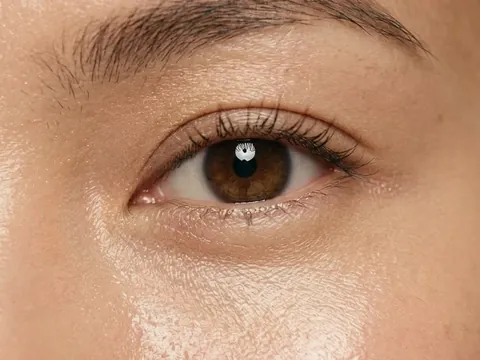
Eyes
- SEE A CASE →
Upper blepharoplastyUpper eyelid surgeryDETAILS
Removes excess skin, and where needed a small amount of fat, from the upper eyelids. It may also define or create an eyelid crease, depending on the anatomy and the goal discussed.
Best for: heavy or hooded upper lids, skin resting on the lashes, or an indistinct crease.
- SEE A CASE →
Lower blepharoplastyLower eyelid surgeryDETAILS
Addresses puffiness and loose skin beneath the eyes by repositioning or removing fat and tightening the lower lid skin, through an incision placed just under the lashes or inside the lid.
Best for: under-eye bags, loose lower-lid skin, or a tired look that does not respond to non-surgical care.
Brow liftRaising the brow positionDETAILS
Lifts a brow that has descended with age or was low to begin with, opening the upper eye area. The approach — direct, temporal or endoscopic — is matched to the hairline and the amount of lift needed.
Best for: low or heavy brows, and upper-lid heaviness that comes from brow position rather than eyelid skin.
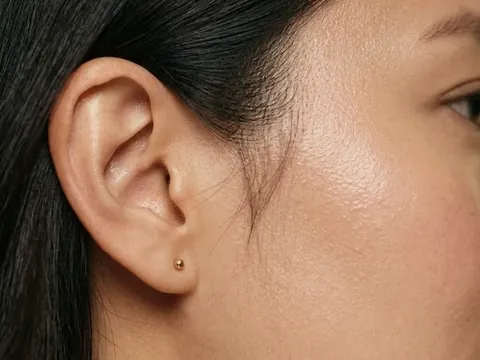
Ears
- SEE A CASE →
OtoplastyCorrection of protruding earsDETAILS
Sets prominent ears closer to the head by reshaping the cartilage through an incision behind the ear, where the scar is hidden. Both ears are usually treated for symmetry.
Best for: ears that stand out from the head, or an underdeveloped fold in the outer ear.
Earlobe hole repairClosing a torn or stretched piercingDETAILS
Repairs an earlobe piercing that has torn through or stretched, restoring the lobe’s shape. Re-piercing is possible once healed.
Best for: split, elongated or gauged earlobes.
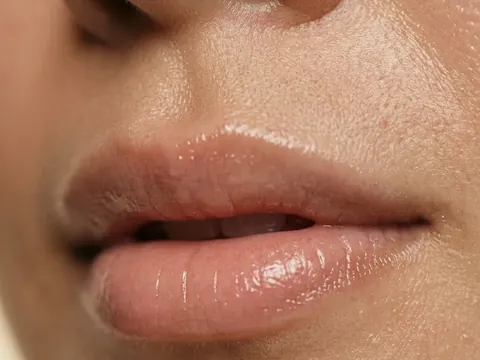
Lips
- SEE A CASE →
Lip reshapingAdjusting the shape or outline of the lipsDETAILS
Surgically refines the lip outline or balance — for example an uneven border or a mismatch between upper and lower lip — through incisions placed along the lip’s natural lines.
Best for: asymmetry or a lip outline the patient would like more defined.
- SEE A CASE →
Lip reductionReducing the volume of the lipsDETAILS
Removes a strip of tissue from inside the lip to reduce its size, with the incision hidden inside the mouth. Upper, lower or both lips may be treated.
Best for: lips that are larger than the patient would like, or out of proportion with the face.
Lip liftShortening the space between nose and lipDETAILS
Removes a small strip of skin just under the nose to shorten the upper lip and turn its edge slightly outward, showing more of the pink lip at rest.
Best for: a long upper lip, or a thin upper lip the patient would prefer not to fill.

Face
FaceliftLifting the lower face and jawlineDETAILS
Repositions the deeper facial tissue and removes excess skin to restore definition to the jawline and lower face. The extent of the lift and the incision pattern are planned around the degree of laxity.
Best for: jowls, sagging along the jawline and cheeks, and loose skin that fillers or threads no longer address.
Buccal fat removalSlimming the lower cheeksDETAILS
Removes part of the buccal fat pad through a small incision inside the mouth, reducing fullness in the lower cheek. It is a permanent change, so the amount removed is conservative and decided with the face’s long-term shape in mind.
Best for: round or full lower cheeks in a patient of stable weight.
- SEE A CASE →
Chin augmentationSilicone implantDETAILS
Places a shaped silicone implant over the chin bone to add projection or length, through an incision inside the lower lip or under the chin. Implant size and shape are chosen against the profile as a whole.
Best for: a receding or short chin, or a profile where the chin sits behind the lips.
Paranasal augmentationAdding support beside the noseDETAILS
Adds volume to the area beside the nostrils, where a sunken midface deepens the nasolabial fold, using an implant or graft placed through an incision inside the mouth.
Best for: a flat or sunken area beside the nose, and deep folds that come from midface structure rather than skin.
Excision of keloids, moles and similar lesionsSurgical removal of skin lesionsDETAILS
Removes a keloid, mole or similar skin lesion with a fine closure placed to sit along the skin’s natural lines. Keloids may be treated with injection alongside excision to lower the chance of recurrence.
Best for: raised scars, moles, cysts or skin tags the patient would like removed cleanly.
Neck
Neck liftTightening the neck and jawlineDETAILS
Tightens the neck muscle and removes excess skin beneath the chin and along the jaw, through incisions behind the ears and, where needed, under the chin.
Best for: loose neck skin, vertical bands, or a soft jaw–neck angle.
- SEE A CASE →
Submental liposuctionRemoving fat beneath the chinDETAILS
Removes fat under the chin through a small incision, sharpening the angle between chin and neck. Skin with good elasticity settles over the new contour.
Best for: a double chin from localised fat in a patient whose skin still has good tone.
Tracheal shavingReducing the Adam’s appleDETAILS
Reduces the prominence of the thyroid cartilage through a small incision, usually hidden in a neck crease, to soften the outline of the throat.
Best for: a prominent Adam’s apple the patient would like less visible.
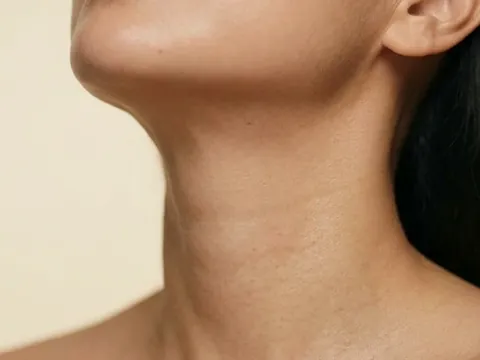
Suitability depends on individual assessment. Every procedure is discussed at consultation before it is scheduled, and no specific outcome is promised. Treatment photographs show models, not patients.
Not sure which one fits?
A consultation establishes suitability and alternatives before anything is scheduled.